RMDT Utilities is the horizontal directional drilling contractor built for the underground scope of utility-scale solar. Eight years, bi-coastal, and accountable from the first bore pit to the last as-built.
RMDT Utilities is an owner-operated horizontal directional drilling contractor for utility-scale solar. We bore the road, rail, water, and interconnection crossings that gate energization for EPCs, developers, and GCs. Bi-coastal, with West-coast operations and a Central New York presence, eight years in business, and more than 500,000 feet in the ground.
RMDT Utilities started as a crew that drilled, not a balance sheet that financed a rig. Eight years in, that has not changed. We own our rigs, we run our own people, and the drillers planning your crossings are the same ones who stand over the bore when the fluid is moving and the pressures are climbing. There is no layer between the company that signs the contract and the crew that has to make the shot.
We are bi-coastal by design. Our operations are rooted on the West coast, where utility-scale solar moves fastest and the permitting, agency, and crossing requirements are some of the most demanding in the country. We also carry a Central New York presence, which lets us support work and mobilization across the eastern build-out. Wherever the field is, the standard is the same: a written plan before we drill, owner-operated equipment, and a crew that does not leave a crossing until it is proofed and documented.
The difference on an HDD job is rarely the machine. It is whether the people running it actually understand what is happening underground. We do this work because we know mud, not because we bought a drill.
A contractor that financed one drill rig and hired around it learns these things on your job. We brought them with us.
The bores that make the news are the ones that frac out into a wetland, surface in a riverbed, or hit an existing utility nobody located. None of those are bad luck. They are planning failures that showed up in the field.
We keep your crossing out of that story by doing the work up front. Every sensitive bore gets a written inadvertent-return plan: a geotech read, a drilling-fluid program matched to the ground, real-time monitoring, containment staged before we drill, and a contingency in writing for what we do if pressures move the wrong way. We pothole and daylight existing utilities with vacuum excavation before we cross them, so we know what is there instead of hoping. The result is a quiet bore, the kind that goes in, gets proofed, and never becomes a phone call to an agency.
We are easy to describe because we are pointed at a short list.
That is the company. Real drillers, owner-operated equipment, and a written plan behind every bore. We always hit the mark.
Six things a procurement team can verify before a single bore is planned.
We own our equipment and run our own people. No subcontractor interface, no demob-remob gaps between crossings, no finger-pointing when a date is at stake. One accountable team from the first bore pit to the last as-built.
Mud dynamics, soil reactivity, and bore planning are the job, not the learning curve. The drillers who plan your crossings are the ones who run them, so the field decisions get made by people who have seen that ground before.
Prequalified in ISN and Avetta, Class A licensed in CA, OR, and WA, with $5M / $2M insurance, additional-insured and COI ready and scalable on request. Your gate is closed before kickoff, not during it.
Before we drill, you get it in writing: geotech read, drilling-fluid program, monitoring, containment, and contingency. Inadvertent-return risk is managed on paper before it can become a problem on a sensitive crossing.
Collection crossings, road, rail, and water crossings, and the interconnection bore run under one schedule with no handoffs. We also pothole and daylight with vacuum excavation, so the seams that hide slack are simply not there.
0.86 EMR and zero OSHA recordables over three years. Safety is how we keep a crew working and a field on schedule, which is exactly what your COD depends on.
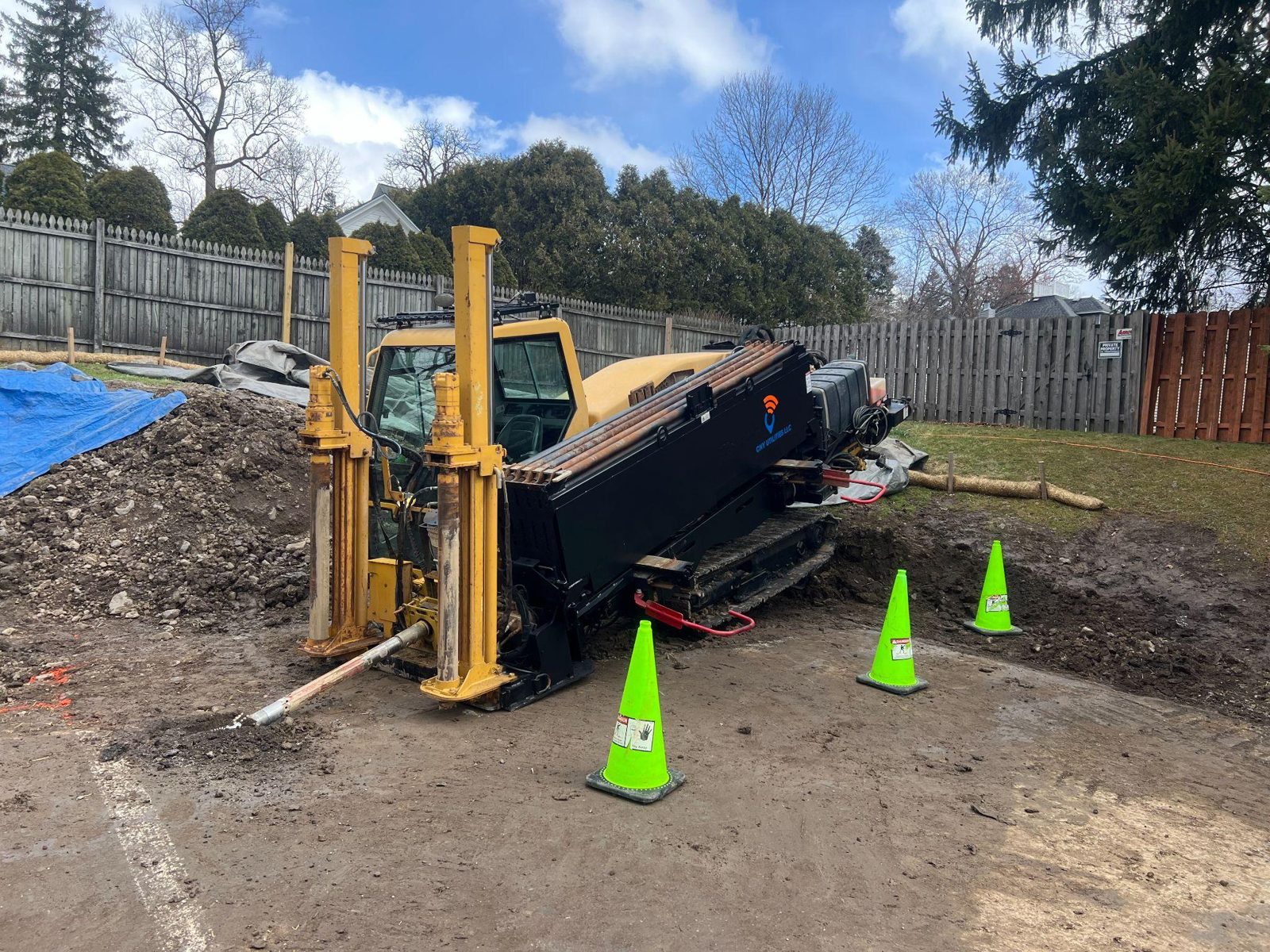
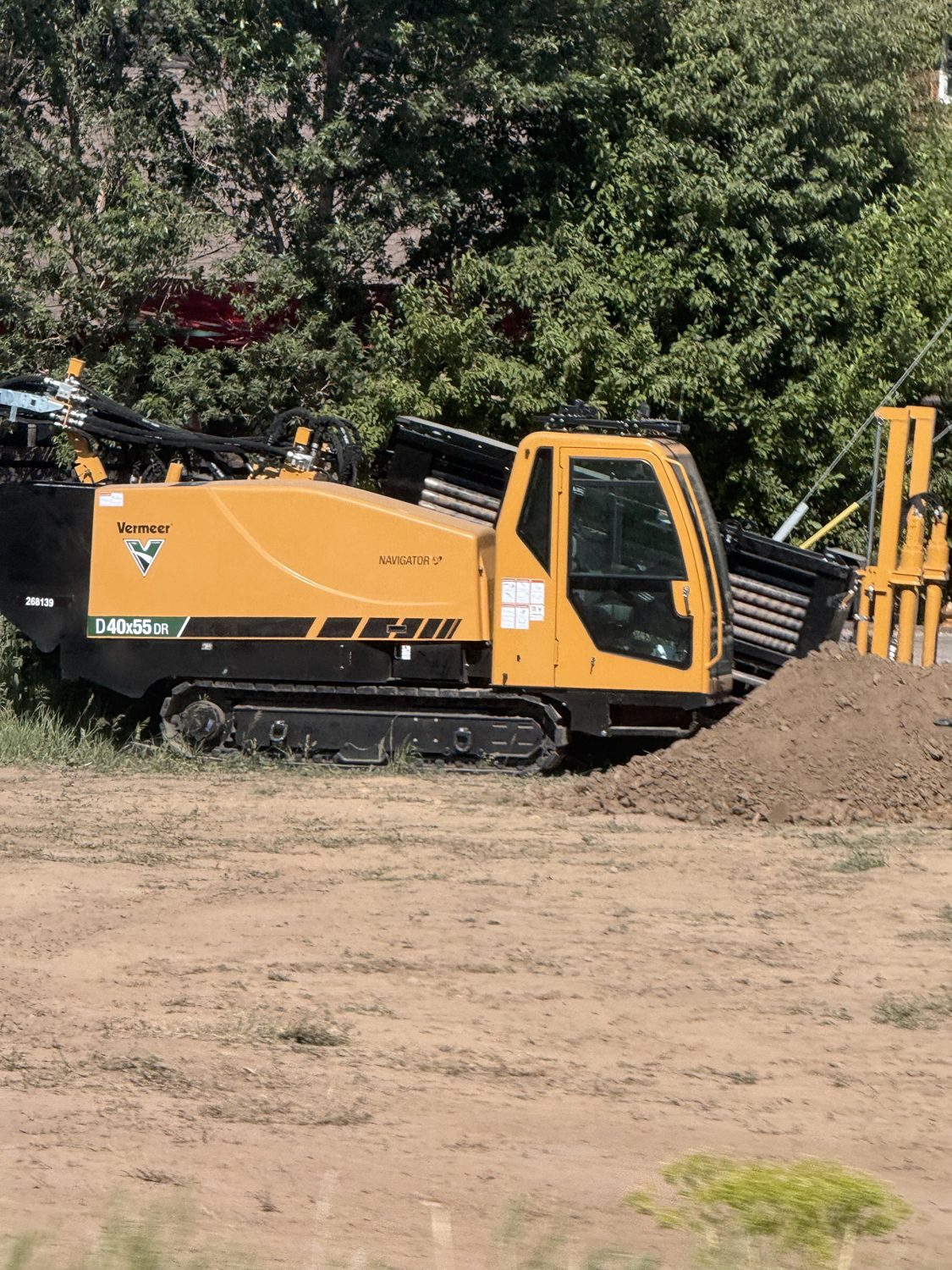
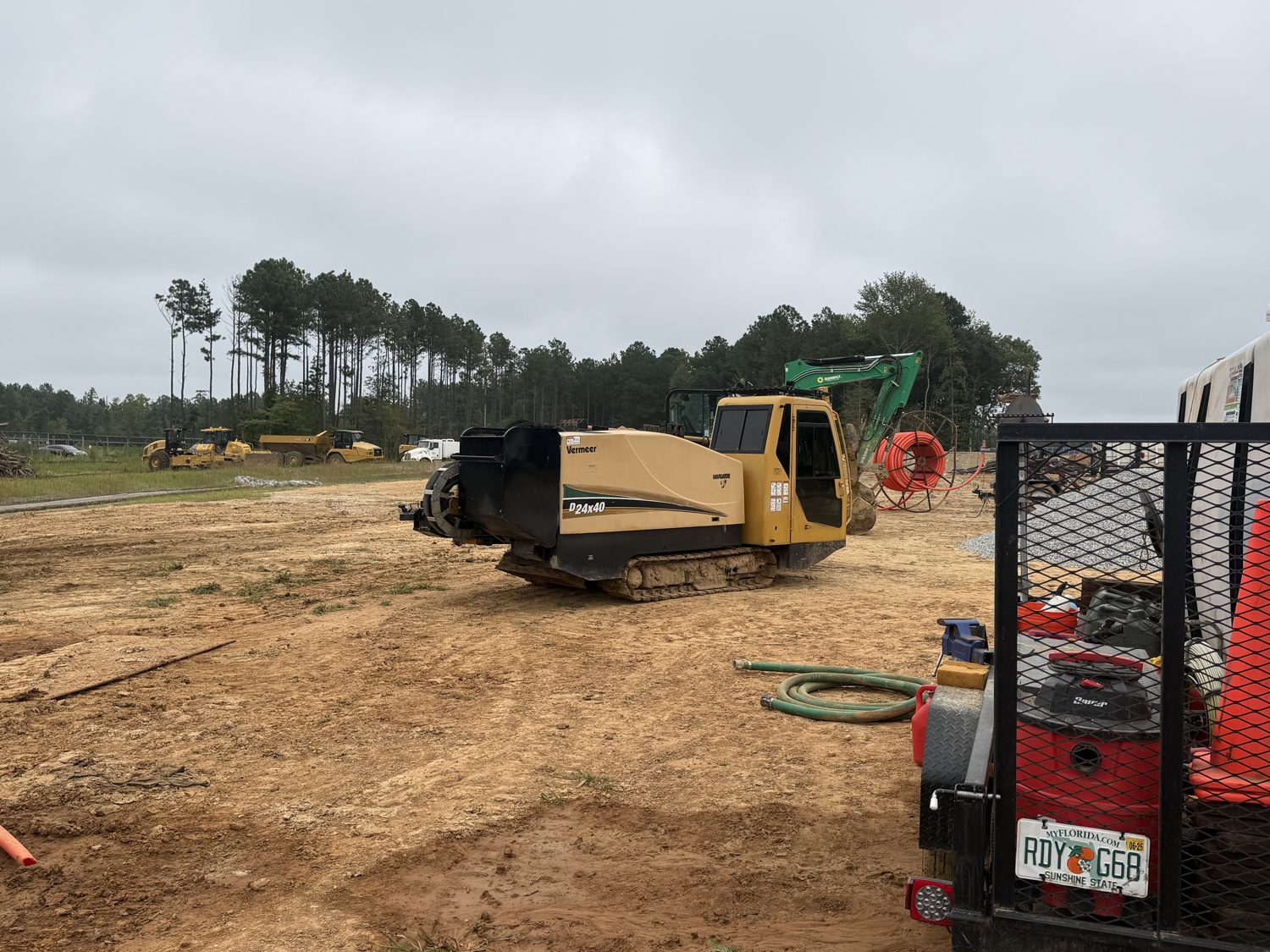
Owner-operated rigs, support fleet, and the crews who run them. Click any image to open it full size.
0.86 EMR, zero recordables, and the written frac-out plan behind every sensitive crossing.
Explore →ISN, Avetta, Class A licensing, and the insurance package, ready before kickoff.
Explore →HDD crossings, MV collection, interconnection, and vacuum excavation, run by one crew.
Explore →Solar fields and crossings we have delivered, on the date they were promised.
Explore →Our crossings are planned and executed to the safety standards and trenchless practices the industry relies on, and our prequalification is verified by the systems EPCs already trust. Useful references:
Send us the field. We will tell you exactly how we take the bore off your critical path.
Request capabilities RMDT Utilities